


If your website traffic is slipping, even though your Search Engine Optimization (SEO) fundamentals haven’t changed, you’re not imagining things. Search itself is changing and evolving faster than ever.
AI-driven tools like Google’s AI Overviews and ChatGPT, are changing how people find answers. Instead of clicking through search results, users are increasingly getting what they need directly from AI-generated responses. And this shift is being led by younger generations.
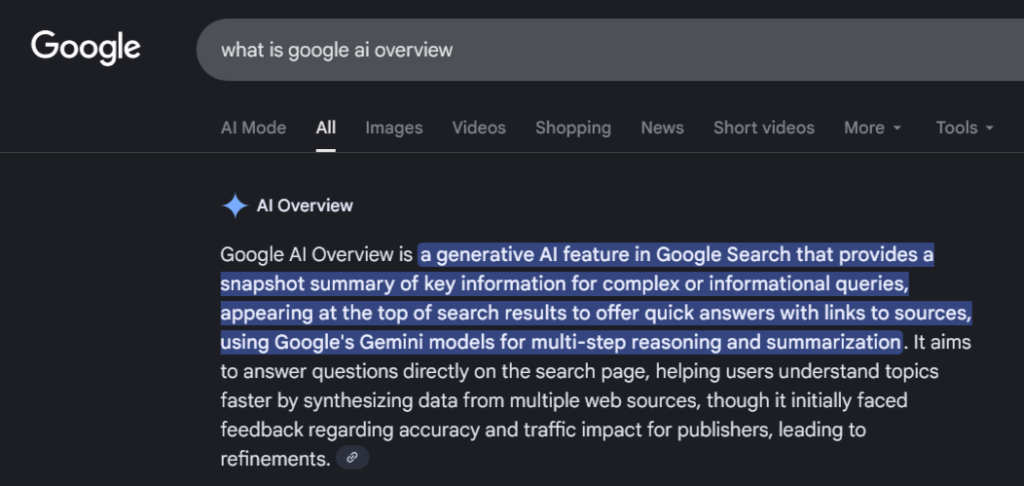
Gen Z and Gen Alpha are far more likely to start with conversational AI tools rather than traditional search engines. Older generations may still default to Google, but even there, AI-powered summaries are reducing the need to click. The result? Fewer visits to websites, even when content is accurate, optimized and ranking well.
Understanding why this is happening, and how to adapt, can help your website stay visible, relevant and effective in an AI-first search world.
Why AI search is reducing website traffic
Traditional search rewarded websites that ranked well and matched search intent. AI search changes that dynamic by summarizing information from multiple sources and presenting it immediately to the user.
When someone searches a question today, they may get:
- A fully formed answer at the top of the results
- A summarized list of steps or recommendations
- A conversational response without the need to click further
Even when your content is technically “used” to generate those answers, the user may never visit your site. As a result, businesses are seeing declining organic traffic even when rankings remain stable.
How search behavior is evolving
It’s important to note that users aren’t searching less, they’re searching differently. AI search tools prioritize context, clarity and direct answers over keyword-heavy pages. People expect fast, personalized responses and are less willing to dig through multiple links to find them.
This shift favors content that is:
- Clearly structured and easy to interpret
- Written by real experts with demonstrated authority
- Optimized for both humans and machines
It also means websites must serve a purpose beyond just answering basic questions. If AI can deliver a quick definition or checklist, your site needs to offer deeper value.
What GEO is and why it matters
Generative Engine Optimization (GEO) is emerging as a complement to traditional SEO. Instead of focusing only on rankings and clicks, GEO helps your content become a trusted source that AI systems reference and summarize.
Strong GEO strategies focus on:
- Clear, authoritative explanations
- Consistent topical depth
- Natural language that mirrors how people ask questions
While GEO doesn’t always guarantee a click, it keeps your brand visible and positions your business as a credible source in AI-generated results.
The role of structured data in AI visibility
Structured data helps search engines understand what your content means, not just what it says. By using schema markup, you give AI systems clearer signals about your services, expertise, FAQs, reviews and location.
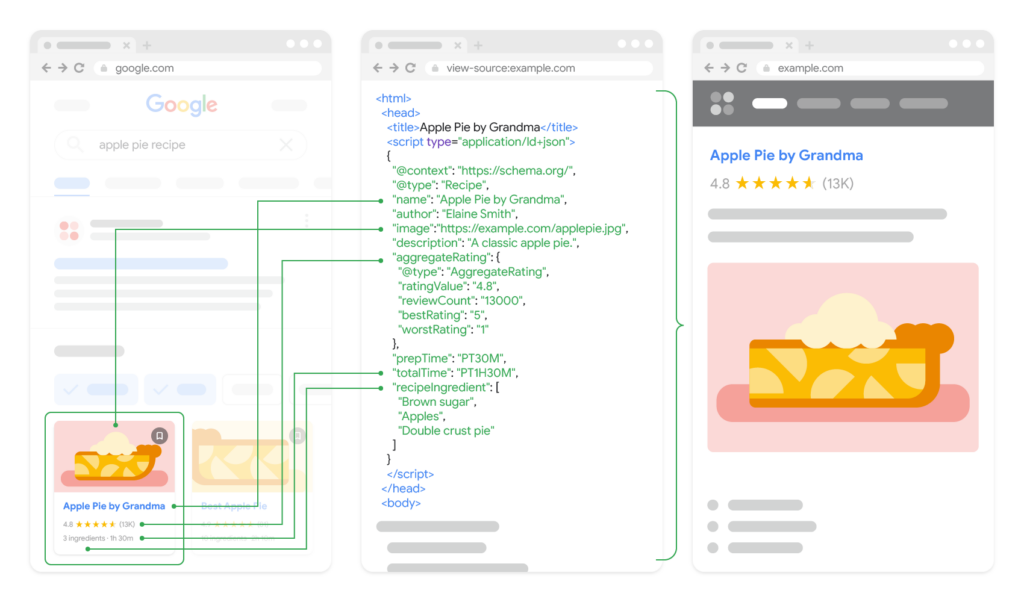
This improves the likelihood that your website content is:
- Correctly interpreted by AI search tools
- Included in AI summaries and enhanced results
- Associated with your brand, not stripped of attribution
Structured data won’t reverse traffic loss on its own, but it strengthens your foundation for modern search visibility.
Why expert-driven content still wins
AI can summarize information, but it can’t replace real-world experience. Content rooted in firsthand expertise, original insights and practical examples stands out both to users and AI systems.
Expert-driven content tends to:
- Go beyond surface-level answers
- Address nuanced or industry-specific challenges
- Build long-term trust with readers
For businesses, this means shifting away from generic blog posts and toward content that reflects what you actually know and do.
User-focused design keeps visitors engaged
As AI reduces top-of-funnel clicks, the traffic that does reach your site becomes even more valuable. A user-focused website design ensures those visitors stay, explore and convert.
Key elements include:
- Clear navigation and intuitive layouts
- Fast load times and mobile-friendly design
- Content that guides users to take action
When your site delivers a strong experience, it reinforces credibility and encourages repeat visits—something AI search can’t replace.
Adapting your website for the future of search
AI search isn’t replacing websites, but it is changing their role. The most effective sites today combine SEO, GEO, structured data, expert content and thoughtful design to remain discoverable and useful.
At Flying Orange, we help businesses adapt to these changes through website audits and optimization services designed for how people—and AI—search today. If your traffic patterns are shifting, it may be time to rethink how your website shows up and stands out.

Flying Orange has been a trusted development resource since 2007, meaning we’ve seen our fair share of design trends. Feel free to reach out for a free quote. We’re here to help with both ongoing, monthly website maintenance, or full website redesigns. We would love to learn more about your needs.